
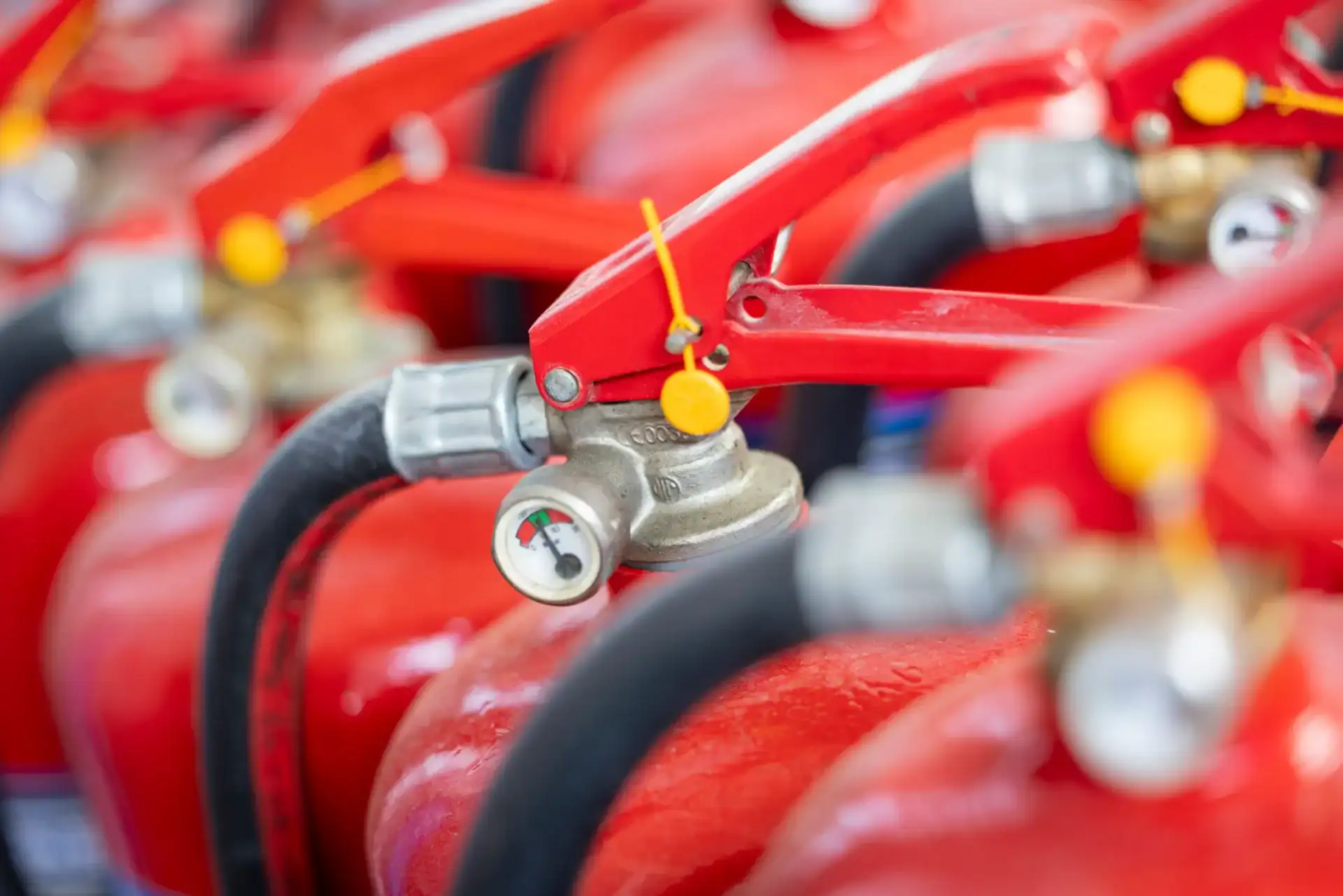
Fire extinguishers are easy to walk past every day without giving them much thought. They sit in corridors, offices, kitchens, workshops, warehouses, reception areas and communal spaces, often only noticed when a service label is checked or a fire risk assessment is due. For many businesses, simply having extinguishers on site can feel like the job is done. In reality, fire extinguishers only provide effective protection if they are suitable, accessible, maintained and understood by the people who may need to use them.
This is where many workplaces can unknowingly fall short. An extinguisher might be present, but is it the correct type for the fire risk nearby? Has it been serviced recently? Is it blocked by stock, furniture or equipment? Would staff know whether it is safe to use? Has the layout of the building changed since the extinguishers were installed? These are all practical questions that matter when reviewing workplace fire safety.
For businesses across Glasgow and wider Scotland, regular fire extinguisher checks, maintenance and staff training can make a real difference. A1 Fire Protection Engineers Ltd supports organisations with fire protection services, equipment, servicing and training, helping businesses keep their premises safer, better prepared and easier to manage.
Could Your Fire Extinguishers Be Giving a False Sense of Security?
Fire extinguishers are an important part of workplace fire safety, but they should never be treated as a standalone solution. They work alongside fire alarms, emergency lighting, signage, escape routes, staff training, fire risk assessments and clear evacuation procedures. If these other areas are weak, simply having extinguishers in place will not be enough to create a safe and organised response.
A fire extinguisher also needs to be suitable for the type of risk in that area. A commercial kitchen, for example, may need different equipment from an office with computers and printers. A warehouse storing packaging materials may need a different arrangement again. Workshops, industrial units and sites using specialist equipment can also have their own risks to consider.
This is why extinguishers should be selected based on the building, its use and the materials or equipment present. A1 Fire Protection Engineers Ltd provides fire extinguishers for businesses that need support with supply, installation, positioning and practical fire safety equipment advice.
What Should Businesses Check Between Service Visits?
Basic visual checks can help businesses spot obvious extinguisher issues between professional service visits. These checks do not replace formal servicing, but they can help identify problems early. Staff may notice that an extinguisher has been moved, damaged, discharged, obstructed or tampered with. They may also spot missing signage, broken wall brackets or extinguishers that are no longer easy to access.
The pressure gauge, where applicable, should also be watched for obvious signs of a problem. Labels and instructions should remain visible and legible. Safety pins and tamper seals should be in place. The extinguisher should look clean, undamaged and positioned where expected. If anything appears wrong, the issue should be reported and checked by a competent person.
Fire safety records can also help businesses stay organised. A simple log of routine checks, maintenance visits and any issues raised can make it easier to show that equipment is being actively managed. The Scottish Fire and Rescue Service business advice and guidance includes useful information for businesses and landlords, including workplace fire safety resources and fire log book guidance.
When Was the Last Time Your Fire Extinguishers Were Serviced?
Fire extinguishers should usually be serviced at least once a year by a competent person. Annual maintenance helps confirm whether each extinguisher is still safe, suitable and ready to use. It also provides an opportunity to identify equipment that may need replacing, repositioning or updating because of changes within the premises.
During a service, an engineer may check the condition, weight, pressure, seals, labels, pins, location, signage and general suitability of each extinguisher. If equipment has been damaged, discharged or is no longer appropriate for the risks nearby, replacement may be recommended. This is especially important where a business has changed how a space is used, introduced new equipment or expanded into new areas.
A1 Fire Protection Engineers Ltd provides fire extinguisher maintenance for businesses that need reliable support with ongoing extinguisher servicing. Regular maintenance helps keep equipment in working order and gives duty holders greater confidence that their fire safety arrangements are being looked after properly.
Has Your Workplace Changed Since the Extinguishers Were Installed?
One issue that is often overlooked is how much a building can change over time. Rooms may be repurposed. Stock may be stored in different places. New equipment may be introduced. Staff numbers may increase. Workflows may change. A space that was once low risk may become more complex without anyone formally reviewing the extinguisher cover.
This matters because extinguisher requirements should reflect the current use of the premises, not how the building looked several years ago. A retail business that adds a staff kitchen, a warehouse that changes storage materials or an office that introduces more rechargeable devices may need to reconsider its fire protection setup. The same applies when a business moves into a previously occupied premises and inherits old extinguishers without knowing whether they are suitable.
A professional review can help identify these gaps. If your business has grown, changed layout or introduced new risks, it may be time to review whether the extinguishers on site still make sense. A1 Fire Protection Engineers Ltd can advise on suitable fire extinguisher supply, installation and positioning across Glasgow and wider Scotland.
Would Staff Know When Not to Use an Extinguisher?
Fire extinguisher training is not about encouraging employees to take unnecessary risks. In fact, one of the most important things staff can learn is when not to use an extinguisher. If a fire is spreading quickly, producing heavy smoke, blocking an escape route or creating uncertainty, evacuation should always be the priority.
Training helps staff understand the role and limitations of portable extinguishers. It can explain different extinguisher types, basic fire classes, emergency procedures and how extinguishers fit into the wider fire safety plan. This is particularly useful for fire marshals, supervisors and employees working in environments where fire risks are more varied.
A1 Fire Protection Engineers Ltd provides fire extinguisher training to help businesses improve staff awareness and emergency preparedness. When training is combined with properly maintained equipment, businesses can create a more joined-up approach to workplace fire safety.
Are Lithium-Ion Battery Risks Being Considered?
Many workplaces now rely heavily on lithium-ion batteries. Laptops, tablets, mobile phones, power tools, e-bikes, scooters, cleaning equipment and other rechargeable devices are now common in many business environments. While these products are part of everyday working life, they can introduce fire risks that should be considered as part of wider fire safety planning.
Lithium-ion battery fires can behave differently from more familiar fire types. They can involve intense heat, reignition risks and thermal runaway. This does not mean every business needs specialist equipment, but it does mean businesses should think carefully about where batteries are used, charged and stored. Charging areas, storage spaces and high-use environments may need particular attention.
A1 Fire Protection Engineers Ltd provides LFX fire extinguishers for businesses that need support with lithium-ion battery fire risks. If your premises uses multiple rechargeable devices or stores battery-powered equipment, it may be worth reviewing whether your existing extinguisher cover is still suitable.
What Fire Safety Records Should You Keep?
Good fire safety management relies on clear records. These may include fire risk assessment findings, extinguisher service details, routine inspection logs, staff training records and any issues raised or resolved. Keeping this information organised can help businesses demonstrate that fire safety is being managed properly, rather than only considered after a problem occurs.
Records also make ongoing management easier. If an extinguisher is due for service, has been replaced or has been moved to a new location, written information reduces confusion. For larger premises or businesses with several sites, clear records are even more important because they help keep fire safety responsibilities consistent across different areas.
A1 Fire Protection Engineers Ltd can support businesses with both extinguisher maintenance and wider fire protection advice. For organisations that want a more complete approach, fire protection services can help bring equipment, servicing, training and practical safety support together.
How Does Wider Fire Safety Support Help Businesses Stay Prepared?
Fire extinguishers form one part of a wider fire safety plan. Depending on the type of premises, businesses may also need fire safety training, fire fighting equipment, alarms, emergency lighting, signage and ongoing maintenance. When these areas are managed separately or inconsistently, it becomes easier for gaps to appear.
Working with an experienced fire protection company can make this easier to manage. A1 Fire Protection Engineers Ltd provides a range of services designed to support businesses with practical fire safety needs, from equipment and maintenance to training and wider advice. This helps duty holders keep important areas of fire safety under control without treating each requirement as a separate task.
Businesses that want to understand more about the company, its experience and its approach can learn more about our team and the support available across Glasgow and wider Scotland.
Is It Time to Review Your Fire Extinguishers?
A full review is sensible if your extinguishers have not been checked recently, if your premises has changed or if staff are unsure what equipment is in place. It is also worth reviewing extinguishers after building works, changes to room use, new equipment installation, increased staff numbers or updates to fire risk assessment findings.
Businesses should also pay attention to recurring issues. If extinguishers are frequently blocked, moved or damaged, there may be a need to improve staff awareness, adjust positioning or review site procedures. If staff do not know what different extinguishers are for, training may be needed. If equipment is outdated or unsuitable, replacement may be safer than repeated minor fixes.
Fire extinguisher safety should be treated as an ongoing responsibility rather than a one-time task. Regular checks, annual maintenance and staff training all help keep your premises better prepared, while specialist support can make it easier to identify risks that may otherwise be missed.
Need Support With Fire Extinguisher Safety?
Fire extinguishers are a familiar sight in most workplaces, but they should not become part of the background. They need to be suitable for the risks present, positioned correctly, serviced regularly and supported by staff training. When these areas are overlooked, businesses may think they are protected when important gaps still exist.
For Glasgow businesses, A1 Fire Protection Engineers Ltd provides practical support with extinguisher supply, installation, servicing and training. Whether you need to review existing equipment, arrange annual maintenance, train staff or consider specialist extinguishers for lithium-ion battery risks, the team can help you take a more organised approach to workplace fire safety.
To discuss your requirements with A1 Fire Protection Engineers Ltd, use the details on the contact page and arrange the right support for your fire extinguisher safety needs.